Dark 3D printing lab with workbenches, filament spools, tool pegboards, printed parts on shelves and a glass-walled print room in the background
Lab 3D · 3D Systems · Resin, wax and pellet

3D SystemsWhen the part is judged on how it looks

Fine detail, castable wax, and large parts at pellet prices.

Filament printers are good at functional parts and bad at surfaces. This is the other half of Lab 3D: digital light printing, projector stereolithography, jetted material for detail and casting patterns, and pellet extrusion when the part is large and the material budget is not. Sold, installed and supported by SolidXperts across the US and Canada.

✓ Figure 4, PSLA, ProJet MJP and Titan Pellet
✓ Direct wax patterns for investment casting
✓ Installation, training and support in EN and FR
3D Systems with SolidXperts across North America
4
Process families: DLP, PSLA, MJP and pellet
1
Software across the range: 3D Sprint
6
SolidXperts locations across Eastern North America
10K+
Satisfied customers
3D Systems with SolidXperts

3D Systems with SolidXperts.

Surfaces, fine features and casting patterns. The jobs where a filament printer produces something visibly printed.

Extrusion leaves layers. Resin and jetting do not, or not in a way anybody notices. That single difference decides most of the buying: if the part is going into a machine, filament is usually right; if it is going in front of a client, into a mould, or into a foundry, it usually is not.

The four families here split cleanly. Figure 4 cures a whole layer at once with a projector, so it is fast and repeatable, and the Modular version scales into a production cell. PSLA 270 applies the same idea to stereolithography. ProJet MJP jets material droplet by droplet for the finest detail, multi-material parts and castable wax. EXT 800 Titan Pellet goes the other way: large parts printed from raw pellets at a fraction of filament cost.

Everything runs through 3D Sprint, which is what stops four processes becoming four islands.

The machines

Four families, one preparation workflow

These are the 3D Systems machines SolidXperts sells and supports. Configurations and materials are confirmed at quote.

Family 01
3D Systems Figure 4 digital light printing 3D printer /wp-content/uploads/2026/10/3dsystems-figure-4.jpgFigure 4 Standalone or Modular, full machine.3dsystems.com › 3D Printers › Figure 4

Figure 4

Digital light printing. A projector cures an entire layer in one exposure, so speed does not fall away as the part gets wider. The range scales from a single unit to a production cell without changing process.

  • Figure 4 Standalone: the single unit entry point
  • Figure 4 135: compact digital light printing
  • Figure 4 Modular: scales into a multi-printer production cell
  • Repeatable enough to be used for short-run production, not only prototyping
Choose this when you want resin quality at production cadence.
Get a quote

Family 02
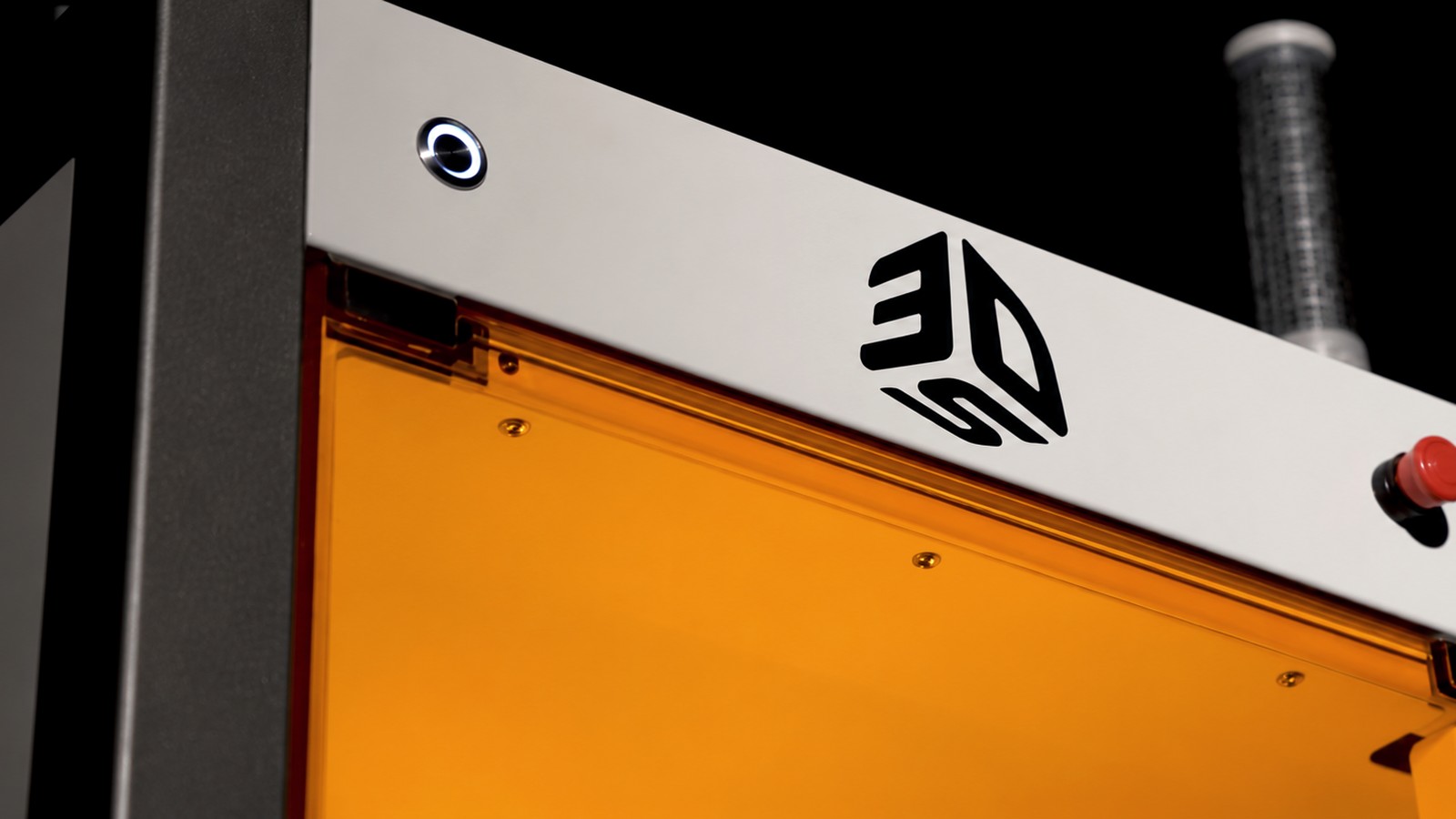
3D Systems PSLA 270 projector-based stereolithography printer with its amber build window and touchscreen, standing in a dark production lab

PSLA 270

Projector-based stereolithography. The finish and accuracy stereolithography is known for, driven by projected light rather than a scanning laser.

  • Consistent layer exposure across the build area
  • Aimed at repeatable production of resin parts rather than one-off models
Choose this when surface quality has to hold across a batch.
Get a quote
Family 03
3D Systems ProJet MJP 5600 MultiJet 3D printer in a production lab, shelves of printed lattice parts on the left and glass-walled offices behind

ProJet MJP

MultiJet printing. Material jetted droplet by droplet, which is the finest detail in the range and the only route here to true multi-material parts and directly printed wax.

  • ProJet MJP 2500 Plus: the general purpose MJP machine
  • ProJet MJP 2500 IC: built for investment casting workflows
  • ProJet MJP 3600 Series: high definition jetted parts
  • ProJet MJP 5600: multi-material printing in a single build
  • MJP 300W Plus: wax patterns printed directly for the foundry
Choose this when detail, multi-material or casting is the requirement.
Get a quote
Family 04
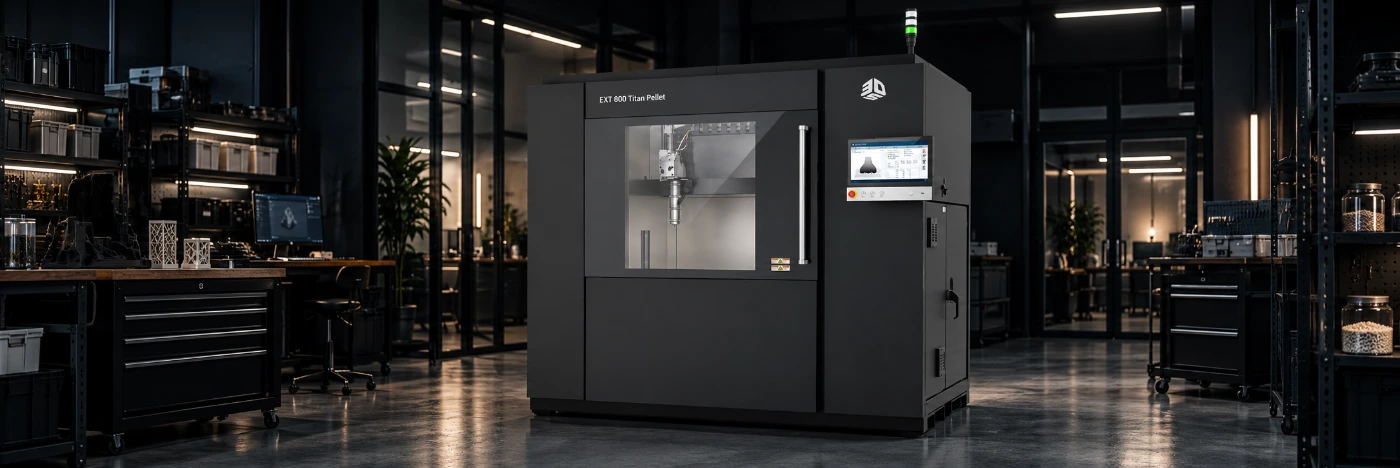
3D Systems EXT 800 Titan Pellet large format 3D printer in a dark lab, pellet jars and workbenches on both sides

EXT 800 Titan Pellet

Pellet extrusion. Printing from raw polymer pellets instead of filament drops the material cost substantially, which is what makes large parts worth printing at all.

  • Large format polymer printing at raw material prices
  • Tooling, patterns, moulds and large components
  • The economic answer when filament cost is what kills the business case
Choose this when the part is big and the material bill is the obstacle.
Get a quote
Investment casting

Skip the pattern tool

Traditional investment casting starts with a wax pattern, and the wax pattern starts with a tool. On short runs and one-offs, that tool is most of the cost and nearly all of the lead time.

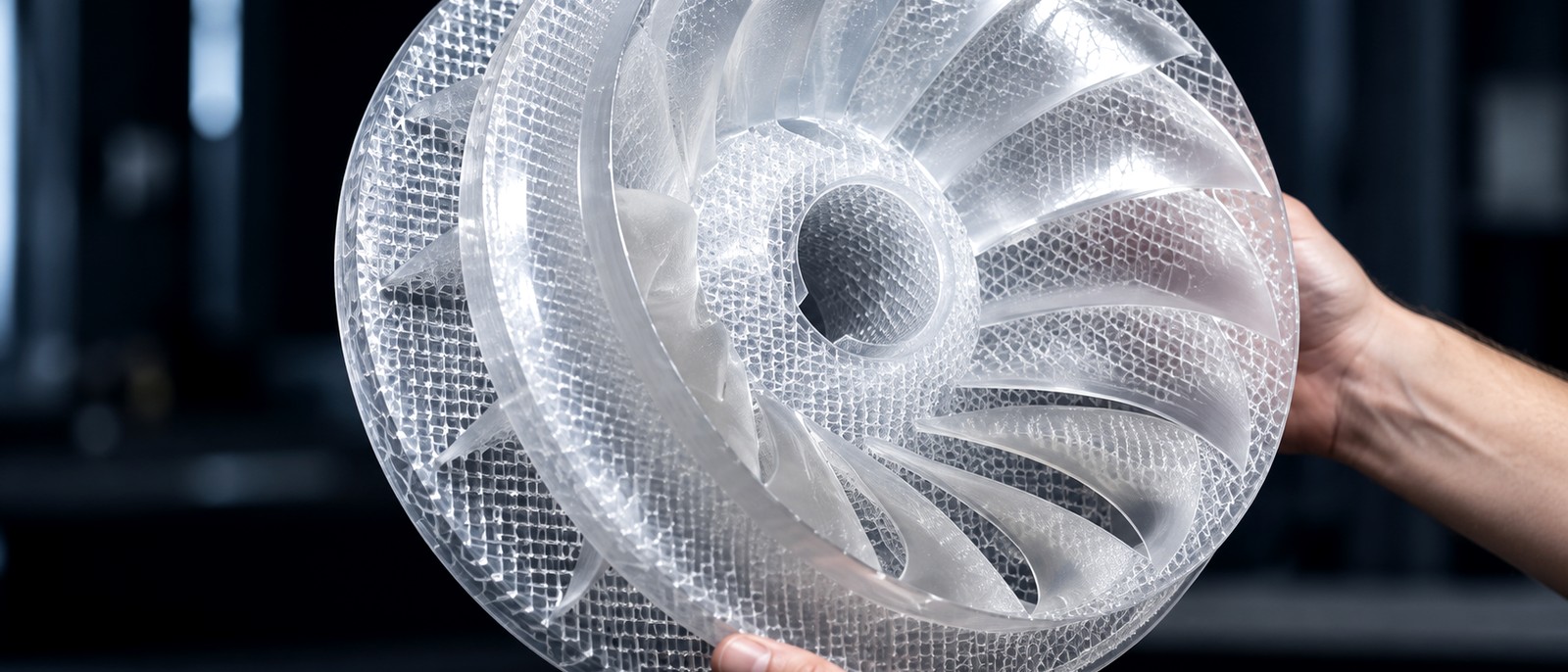
  • Print the pattern directly. The MJP 300W Plus produces wax patterns that go into the standard foundry process, and castable resin patterns cover the same job on the jetting and Figure 4 side.
  • No tooling, no minimum quantity. One casting costs what one casting should cost.
  • Design changes stop being expensive. Revising the model revises the pattern, not the tool.
  • The 2500 IC covers the same ground for investment casting workflows built around jetted patterns.
  • Jewellery, dental, aerospace and industrial castings all run this way today.
Large translucent castable resin impeller with an internal lattice structure, printed in one piece and held in two hands, ready to be used as an investment casting pattern. /wp-content/uploads/2026/10/3dsystems-wax-casting.jpgA printed investment casting pattern.supplied by SolidXperts
Where it fits

The jobs filament cannot take

Every one of these is a case where the surface, the detail or the material cost is the deciding factor.

Investment casting patterns

Wax printed directly, no pattern tool, no minimum quantity.

Jewellery and fine detail work

Features measured in tenths of a millimetre, where layer lines are the product failing.

Client-facing models

Concept and styling models judged on how they look and feel in the hand.

Short-run resin production

Figure 4 Modular, where repeatability across a batch matters more than any single part.

Large tooling and moulds

EXT 800 Titan Pellet, printing big polymer tooling at material cost.

Multi-material parts

ProJet MJP 5600, combining materials in one build instead of assembling afterwards.

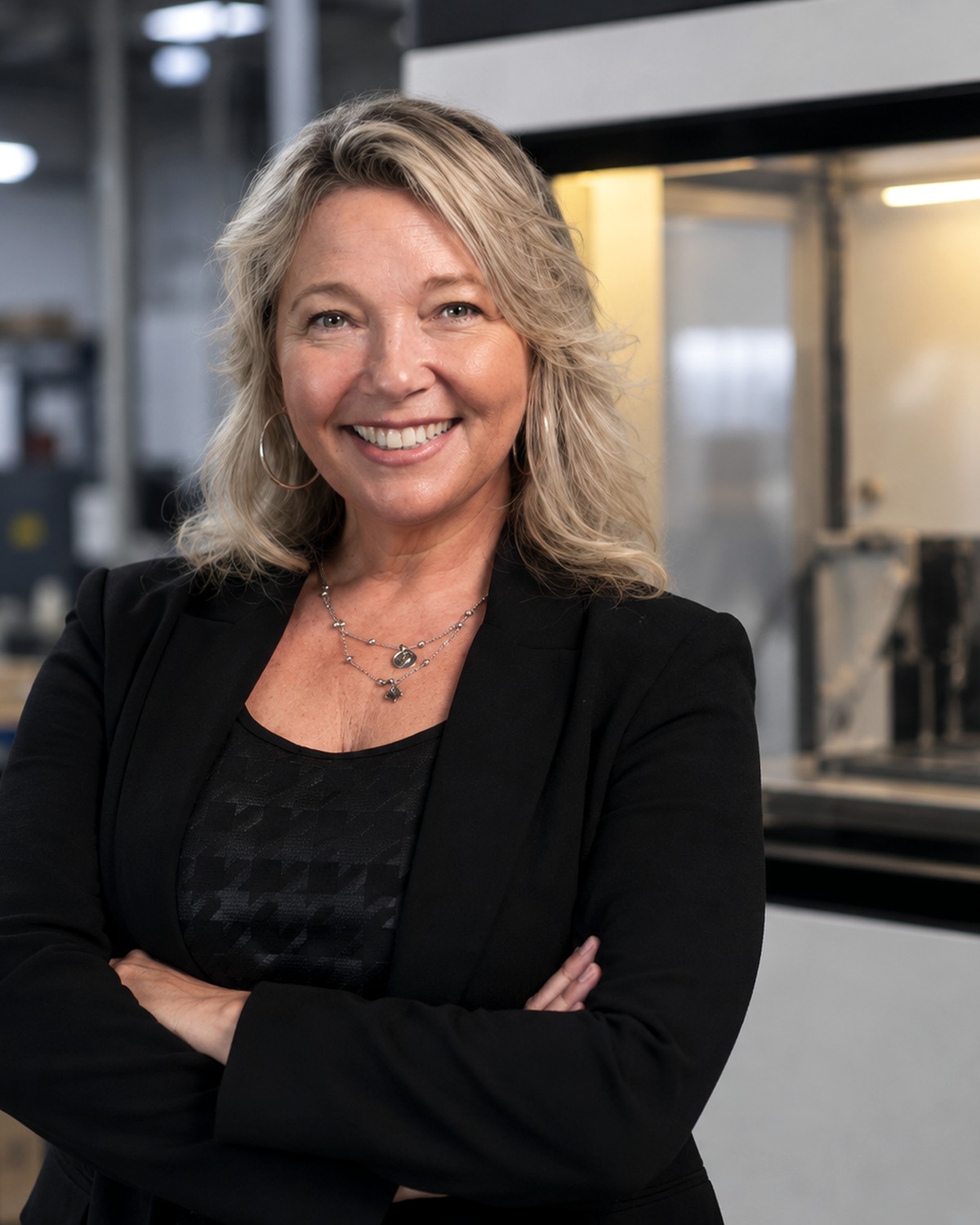
Katy Shemligian, Solution Manager for Additive Manufacturing and 3D Scanning at SolidXperts, standing in front of a 3D Systems printer.
Katy ShemligianSolution Manager, Additive Manufacturing & 3D Scanning
/wp-content/uploads/2026/10/3dsystems-katy-shemligian.jpgPortrait of Katy Shemligian at a 3D Systems machine.SolidXperts
Why buy it here

Four processes, one honest recommendation

A vendor with one machine will always tell you your part suits that machine. We carry filament, powder, resin, wax and pellet across Lab 3D, so we have no reason to push you toward any of them.

  • Part assessment first. We evaluate real components and say which process fits, including when the answer is to keep outsourcing.
  • The CAD side is ours too. As an Authorized Dassault Systemes Reseller, we work on the model that feeds the machine, not just the machine.
  • Installed, trained and supported. Professional installation, operator training, preventative maintenance, extended support packages and consumables.
  • English and French, from six offices across the US and Canada: Miami, Richmond, Nashua, Toronto, Montreal and Quebec City.
Questions

3D Systems, answered

Which 3D Systems printers does SolidXperts sell? +
Four families. Figure 4 digital light printing with the Figure 4 Standalone, Figure 4 135 and Figure 4 Modular. Projector-based stereolithography with the PSLA 270. MultiJet printing with the ProJet MJP 2500 Plus, 2500 IC, 3600 and 5600, plus the MJP 300W Plus for wax patterns. And pellet extrusion with the EXT 800 Titan Pellet. All of them are prepared through 3D Sprint.
What is the difference between Figure 4 and MJP? +
Figure 4 is digital light printing: a projector cures a whole layer of resin at once, which makes it fast and repeatable, and the Modular version scales into a production cell. MJP jets material like an inkjet head, one droplet at a time, which is slower but gives very fine detail, smooth surfaces and true multi-material or wax parts. Figure 4 is the throughput answer, MJP is the detail and casting answer.
Which machine do I use for investment casting? +
The MJP 300W Plus prints wax patterns directly, so they go into the standard foundry process without a pattern tool. The ProJet MJP 2500 IC is built for investment casting workflows as well. Both remove the pattern shop lead time from short runs and one-off castings, which is usually where the cost is.
What is the EXT 800 Titan Pellet for? +
Pellet extrusion prints from raw polymer pellets rather than filament, which drops the material cost substantially and makes large parts economical. The EXT 800 Titan Pellet is the large format machine in the range, used for tooling, patterns, moulds and big polymer components.
What is 3D Sprint? +
3D Sprint is the 3D Systems software for preparing and managing additive jobs across their printers: file preparation, part placement, supports and job management. It is the layer between the CAD model and the machine.
Does 3D Systems still own Geomagic? +
No. 3D Systems sold the Geomagic software portfolio to Hexagon, with the sale completed in 2025. Geomagic reverse engineering and inspection software is now a Hexagon product. SolidXperts still sells and supports Geomagic, alongside the Artec 3D scanning range.
Where can I buy 3D Systems in the US and Canada? +
SolidXperts sells, installs and supports 3D Systems from six offices in the US and Canada: Miami, Richmond, Nashua, Toronto, Montreal and Quebec City, in English and French. Call +1 866 688 2350 or request a quote from this page.
X_green_halo

Any questions? Need help? Ask one of our experts.

Whether you’re ready to get started or just have a few more questions, you can contact us toll-free:

      Download

        Download

          Download